Our first financed vehicle sales journey.
I shaped the financing journey through field research, end-to-end design, and product decisions, then led its evolution as UX Project Lead.
Overview
Mercado Libre’s vehicle marketplace used to end at the first contact between a buyer and a seller. I helped design the move toward a transaction: Mercado Pago financing, connected buyer and dealership journeys, and a digital path to a signed contract. I later led the UX work on the experience’s next evolutions.
Move beyond the first contact.
The Vehicles business had grown around a classifieds model. Mercado Libre connected buyers and sellers, but the rest of the purchase happened outside the ecosystem. Moving closer to the transaction opened an opportunity for new sources of income.
The first financing offers came through bank partnerships in markets such as Brazil and Mexico. What the business learned from those partnerships led to a new proposition: build a proprietary financing journey, with Mercado Pago providing the credit.
In Brazil, that meant partnering with dealerships willing to sell vehicles with financing, and entering a market already served by specialized lenders.
Start with an approved loan. Make the next step clearer.
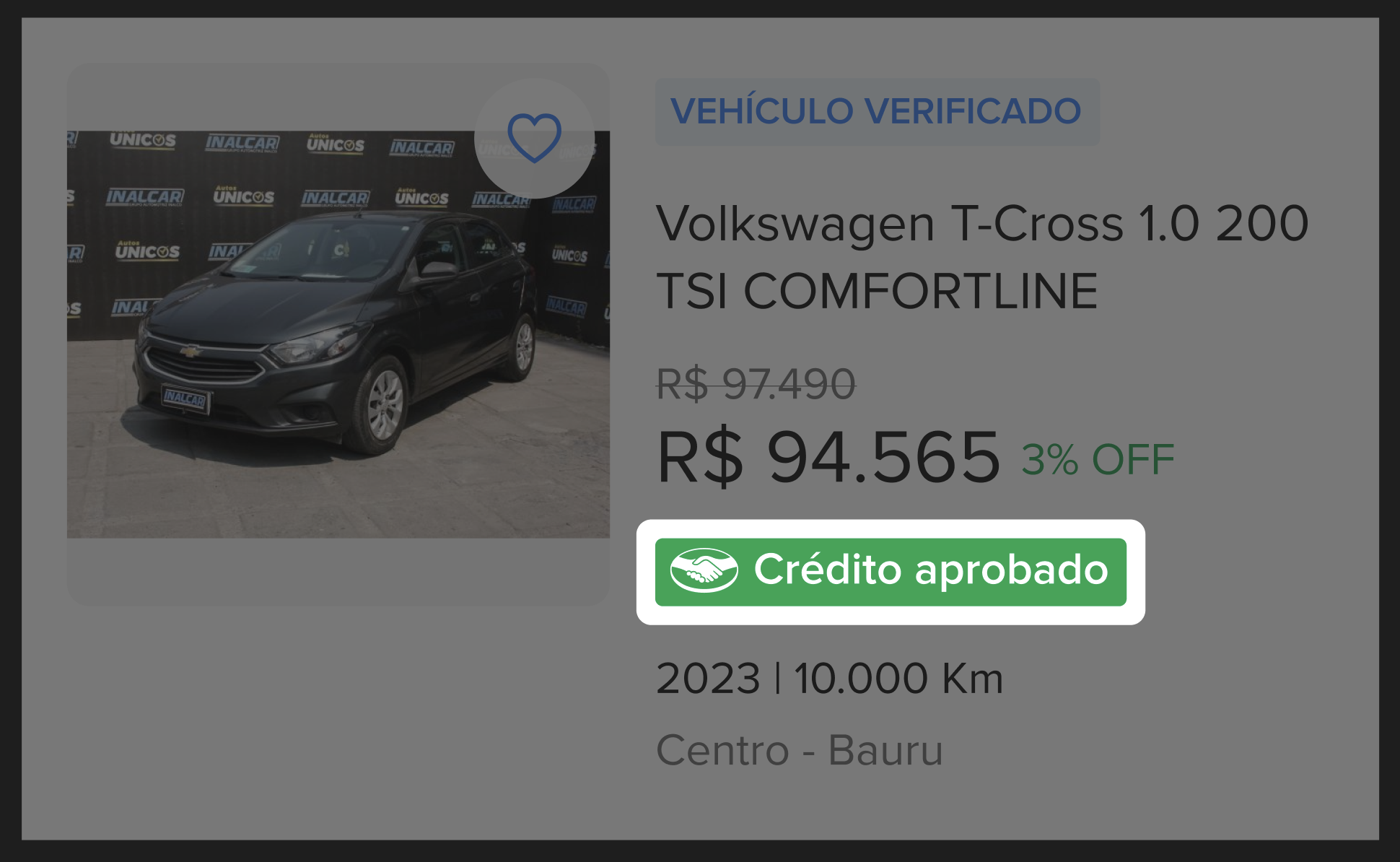
Mercado Libre brought a large customer base and existing credit-assessment capabilities. The opportunity was to show eligible buyers an approved loan with a specific amount and financing percentage before they committed to a vehicle.
That could help buyers focus on vehicles within reach and give dealerships a clearer path to closing a sale, with less uncertainty and paperwork. Speed and prefilled information became central to the experience we wanted to build.
Map the real process before designing a new one.
I led the research effort to understand the existing, in-person financing journey across different types of dealerships. We mapped the full process used by buyers and sellers as a foundation for our own experience.
The journey involved lengthy forms, document uploads, a pre-approval application and waiting. Only approved applicants could move into formalization, which required more information and vehicle documentation.
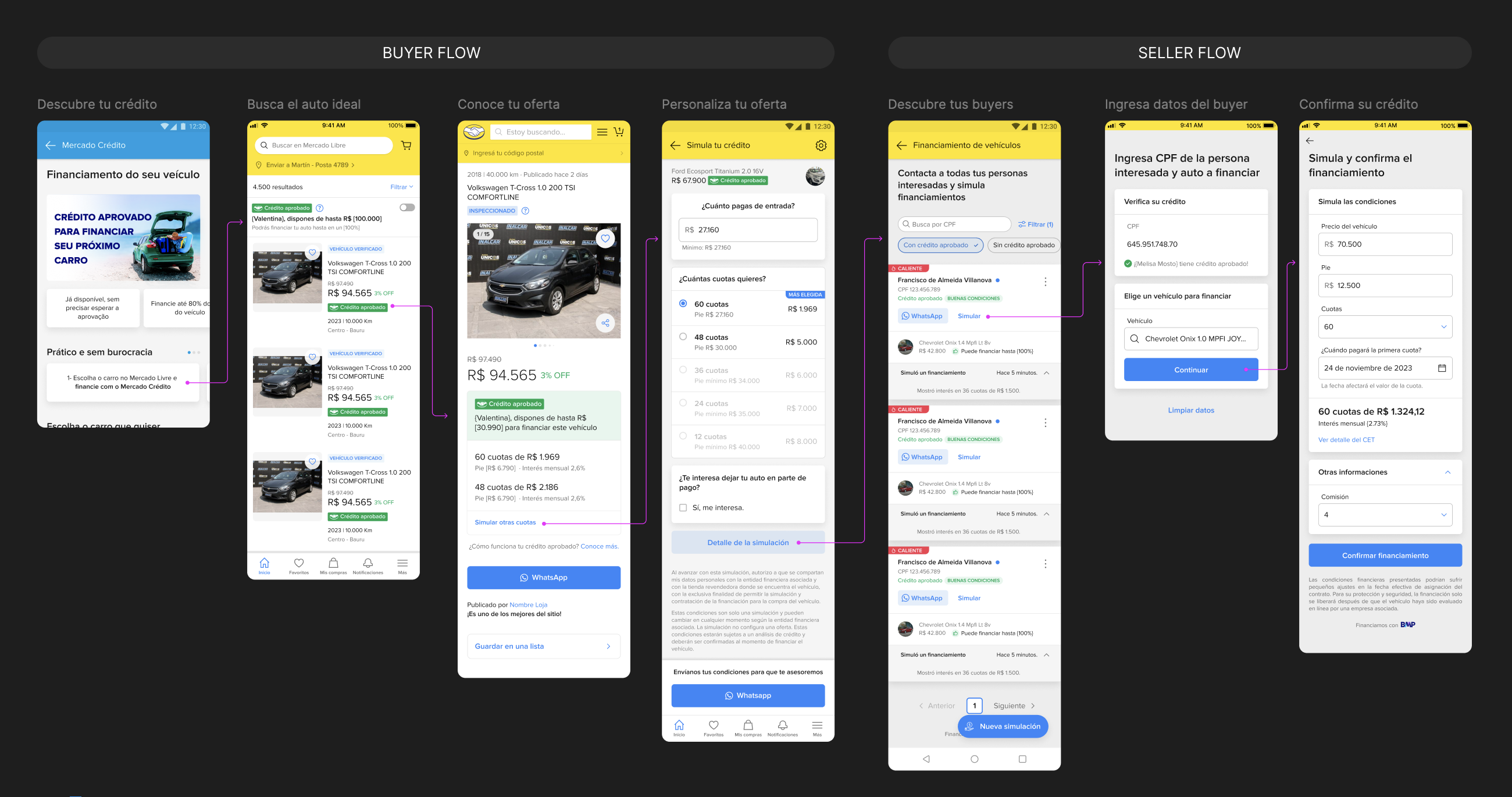
Two apps. One financing journey.
The buyer and seller experiences were being developed in parallel, in two applications. A coherent journey depended on the handoffs between them, not just the quality of each screen.
We developed design hypotheses and used role-playing scenarios to test how the two sides stayed in sync. With my content-design partner, I conceptualized the end-to-end happy path and helped establish a shared, linear flow.
I proposed dividing that flow into sections so the wider team could refine each stage, including alternate paths and exceptions, while preserving the overall journey.
Use familiar patterns. Simplify the critical steps.
The research gave me a basis to participate in and drive key product decisions. With my content-design partner, I coordinated ongoing sessions across Mercado Libre and Mercado Pago and maintained the decision record involving managers, leads and directors.
Give financing its own place in Seller Central.
House the interested-buyers panel in a dedicated section of Mercado Libre’s existing seller workspace, so financing activity has a clear home.
Build on patterns sellers already knew.
Reuse familiar components: lead rows that follow the Questions section’s pattern, and a sidebar that summarizes credit conditions like summaries elsewhere in the product.
Separate leads from proposals ready to formalize.
Distinguish initial interest from proposals whose credit conditions the buyer had already accepted. That difference helps sellers understand which action comes next.
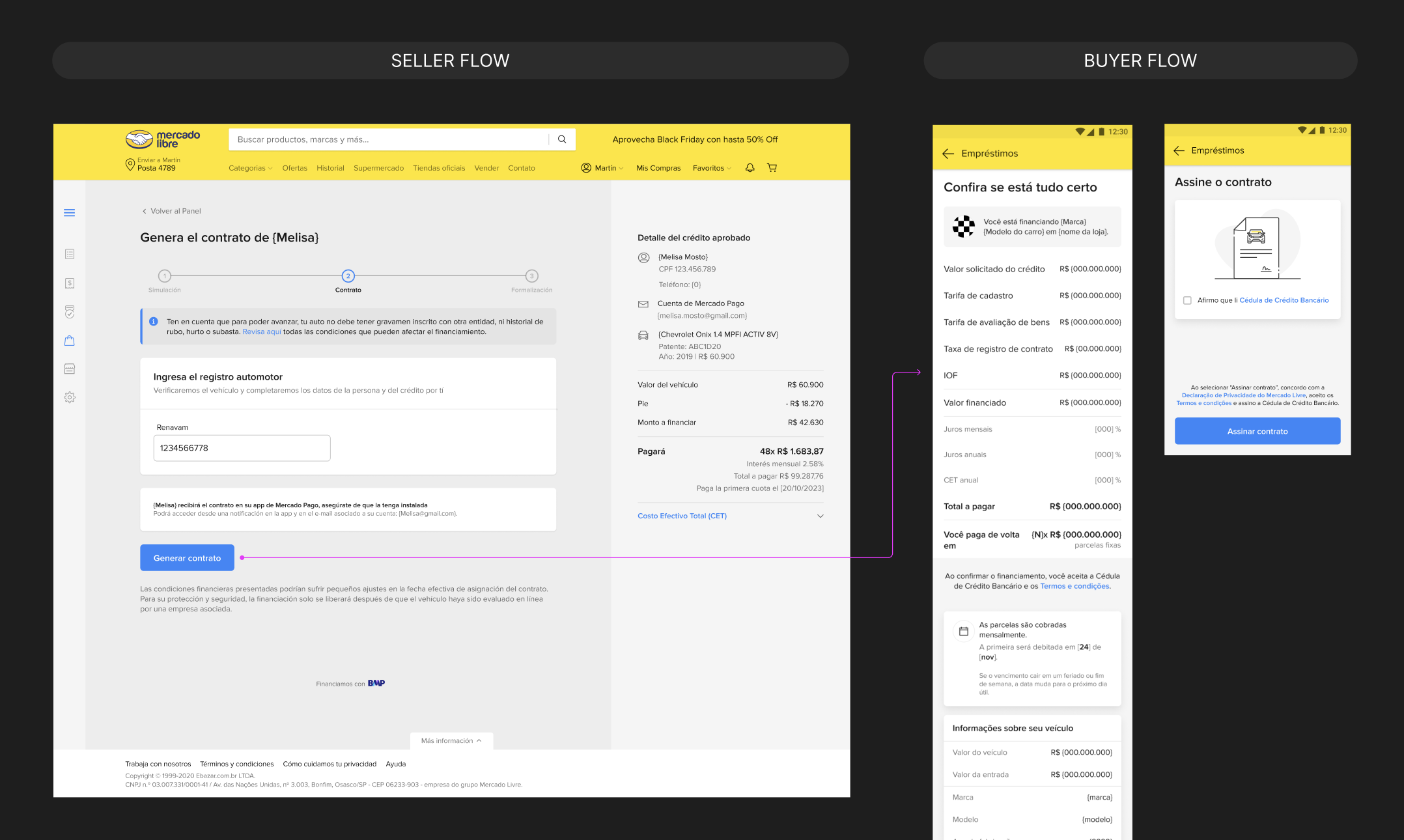
Make contract generation a digital handoff.
Create a new seller step that generates the contract from one piece of information, rather than another long form, and sends it to the buyer’s app for a digital signature.
You can also open it in a new tab.
Take the live flow back to the dealership.
The first MVP went live in December 2022. Buyers could use it on desktop and mobile; dealership sellers used a desktop experience.
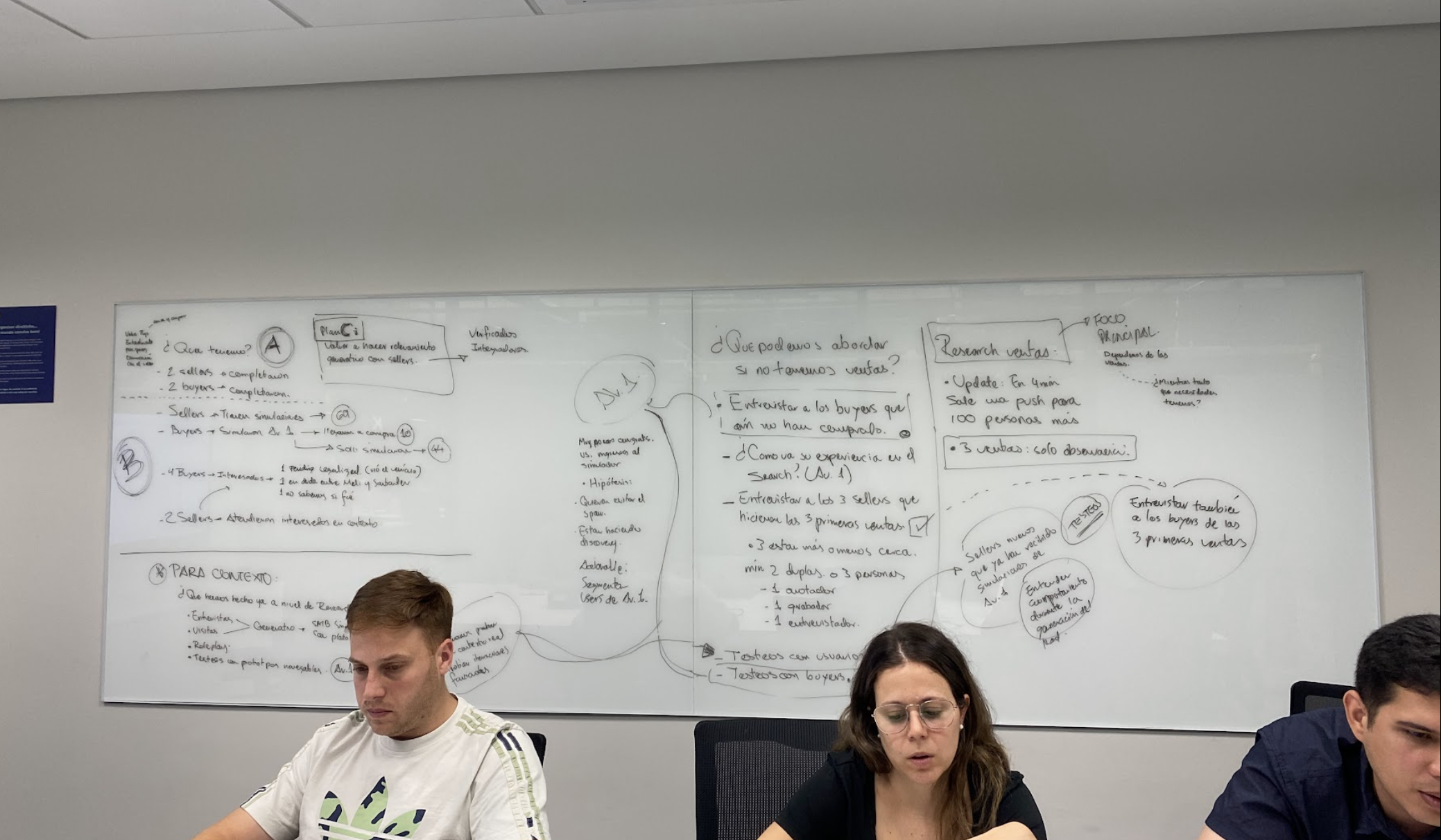
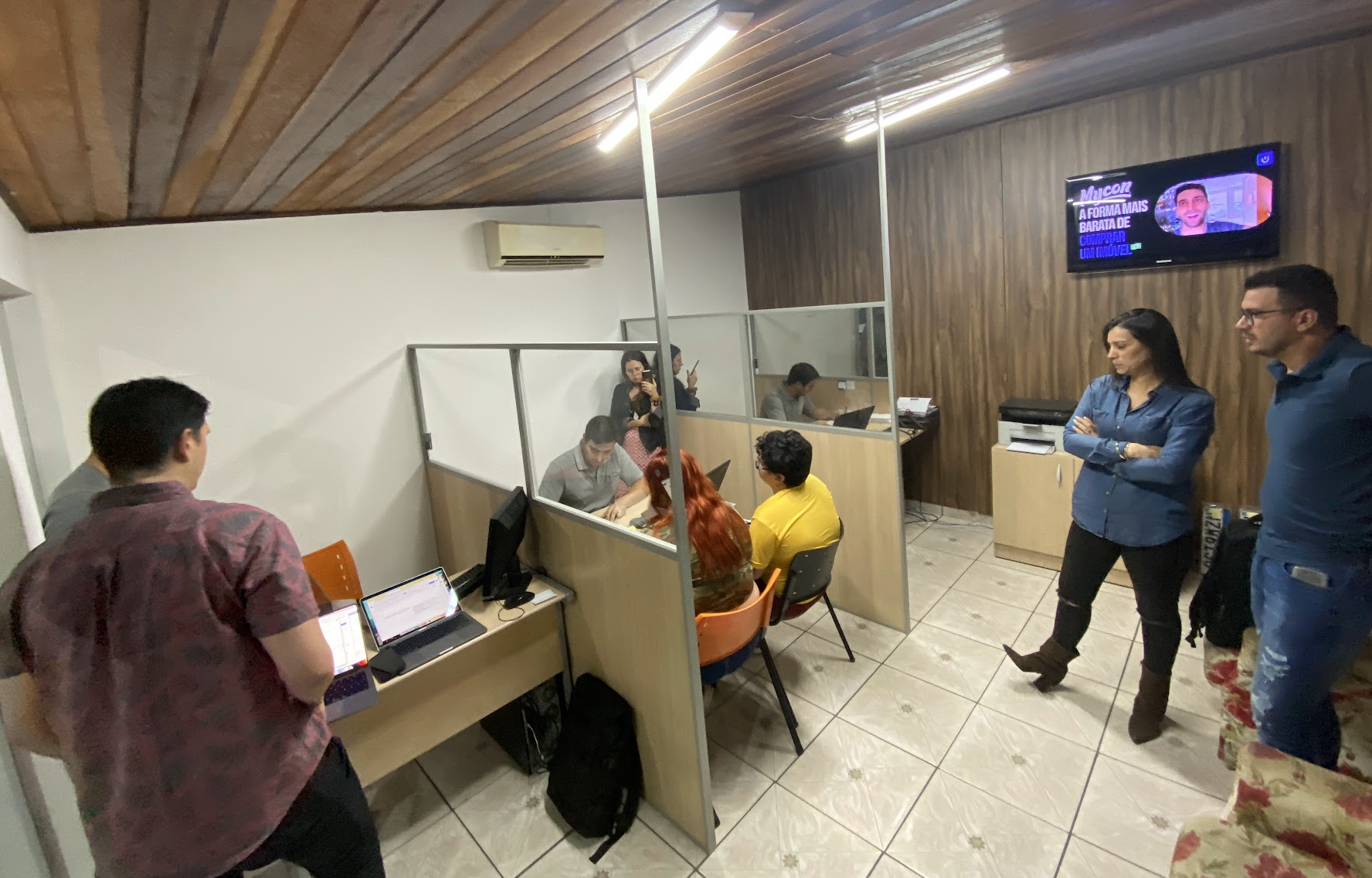
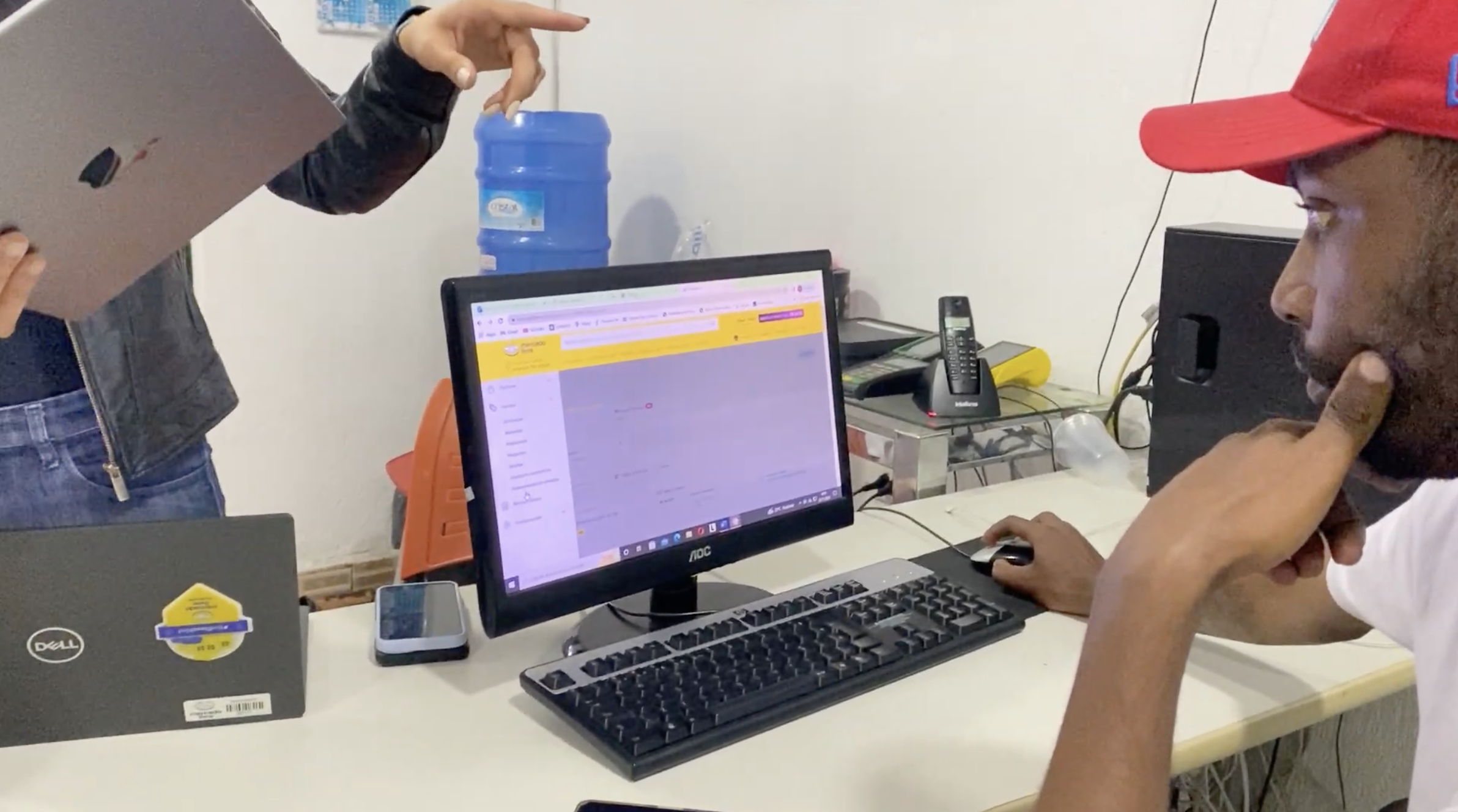
We planned evaluative research in dealerships to check that the flow was fully operational and that a first sale could be completed end to end. We combined observation in the field with interviews.
I led the work plan for the second in-person trip. The whiteboard and dealership photos below document that evaluation and the work alongside Product and Engineering leaders.
Make exceptions and waiting states easier to understand.
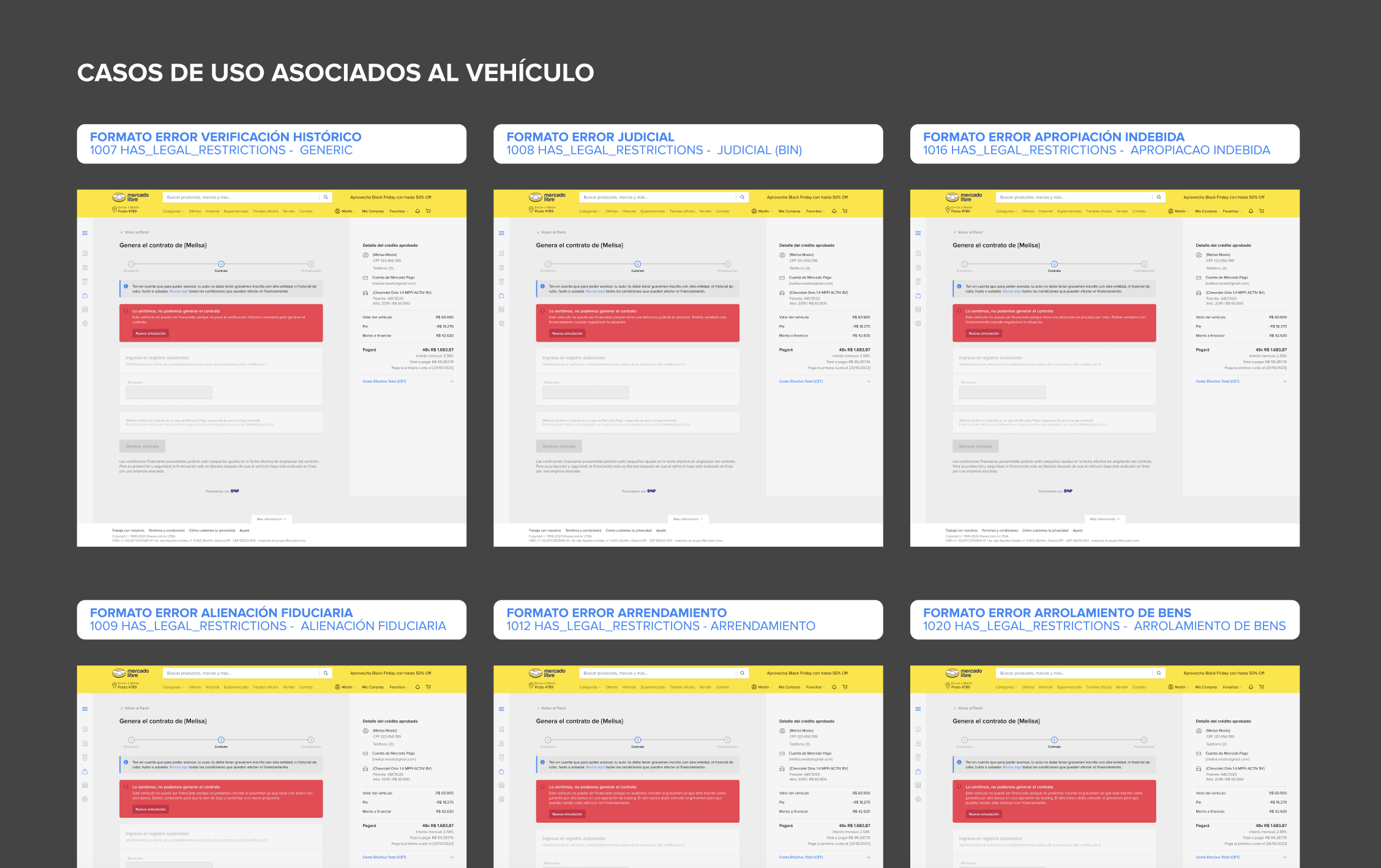
The evaluation helped us identify and prioritize the most important error cases, so sellers could receive more specific information about what was happening.
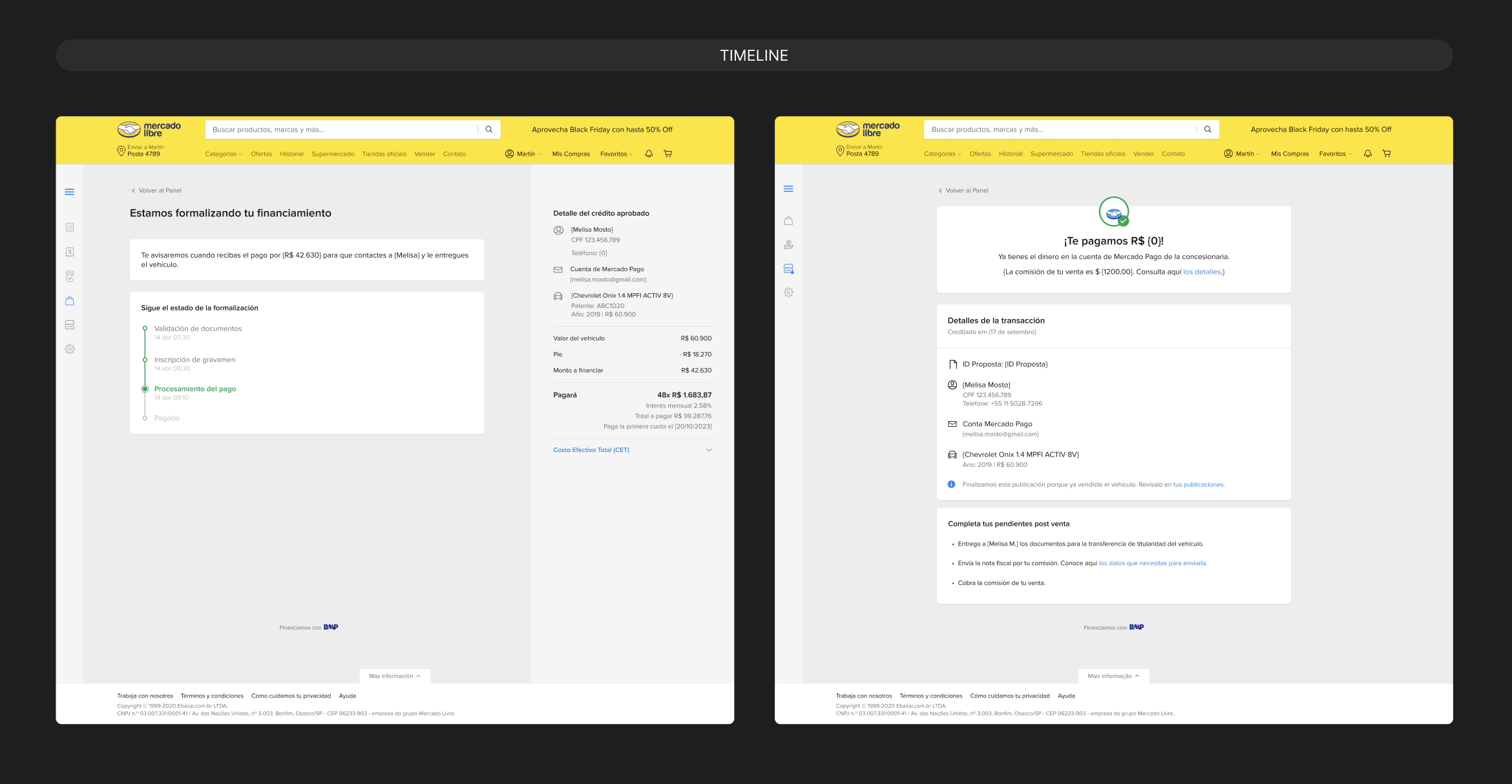
We also identified the first evolutions needed to support sellers through waiting periods: clearer proposal states and a descriptive timeline for credit processing before payment reached the dealership.
A new business model, with room to grow.
The financing model became an ongoing business. My team continued working on incremental buyer and seller improvements, and responsibility later expanded across two teams.
The reported results show how the model scaled: 23,497 buyers with financing formalized in 2025, followed by 24,869 in January–September 2026. Direct Contribution reached US$12,434,500 in that same 2026 period.
| Period | Buyers formalized | Direct Contribution (USD) | YoY change |
|---|---|---|---|
| Dec 2022 · launch | 9 | 4,500 | — |
| 2023 | 2,616 | 1,308,000 | n.s. |
| 2024 | 19,539 | 9,769,500 | +647% |
| 2025 | 23,497 | 11,748,500 | +20.3% |
| Jan–Sep 2026 | 24,869 | 12,434,500 | +48.5% |
Scroll to see all columns
Annual totals count each buyer once per year. The 2026 figures cover January–September only; +48.5% compares the same months in 2025 and 2026. Earlier growth starts from a small base. Figures are reported business outcomes, not a claim that UX alone caused the growth.
My contribution: shaping the journey, refining it, and testing it with the team.
Lead the foundational research.
Act as the main research referent for mapping the in-person dealership financing process and turning that understanding into the foundation for the new experience.
Connect product and content decisions.
Work with my content-design partner on the end-to-end design, coordinate decisions across Mercado Libre and Mercado Pago, and manage the decision record with managers, leads and directors.
Define the happy path and distribute the work.
Conceptualize and design the complete base journey with my partner, then propose a division by stages so the rest of the team could refine use cases and alternate paths.
Design the first seller panel in detail.
Take direct responsibility for the detailed design of the initial dealership panel, while keeping its place in the wider financing journey clear.
Organize the post-launch fieldwork.
Lead the work plan for the second dealership trip, where we evaluated the live experience with the team in the field.
Help the team take the next steps.
As a project leader, I continued shaping the UX strategy with Product: identifying usability gaps, prioritizing new use cases and proposing the next product evolutions.
My team carried these initiatives from end to end. I supported the work through Product–Design–Engineering decisions, follow-up, refinement and hands-on co-creation with the Product Designer leading each initiative, technical leads and the UX manager.
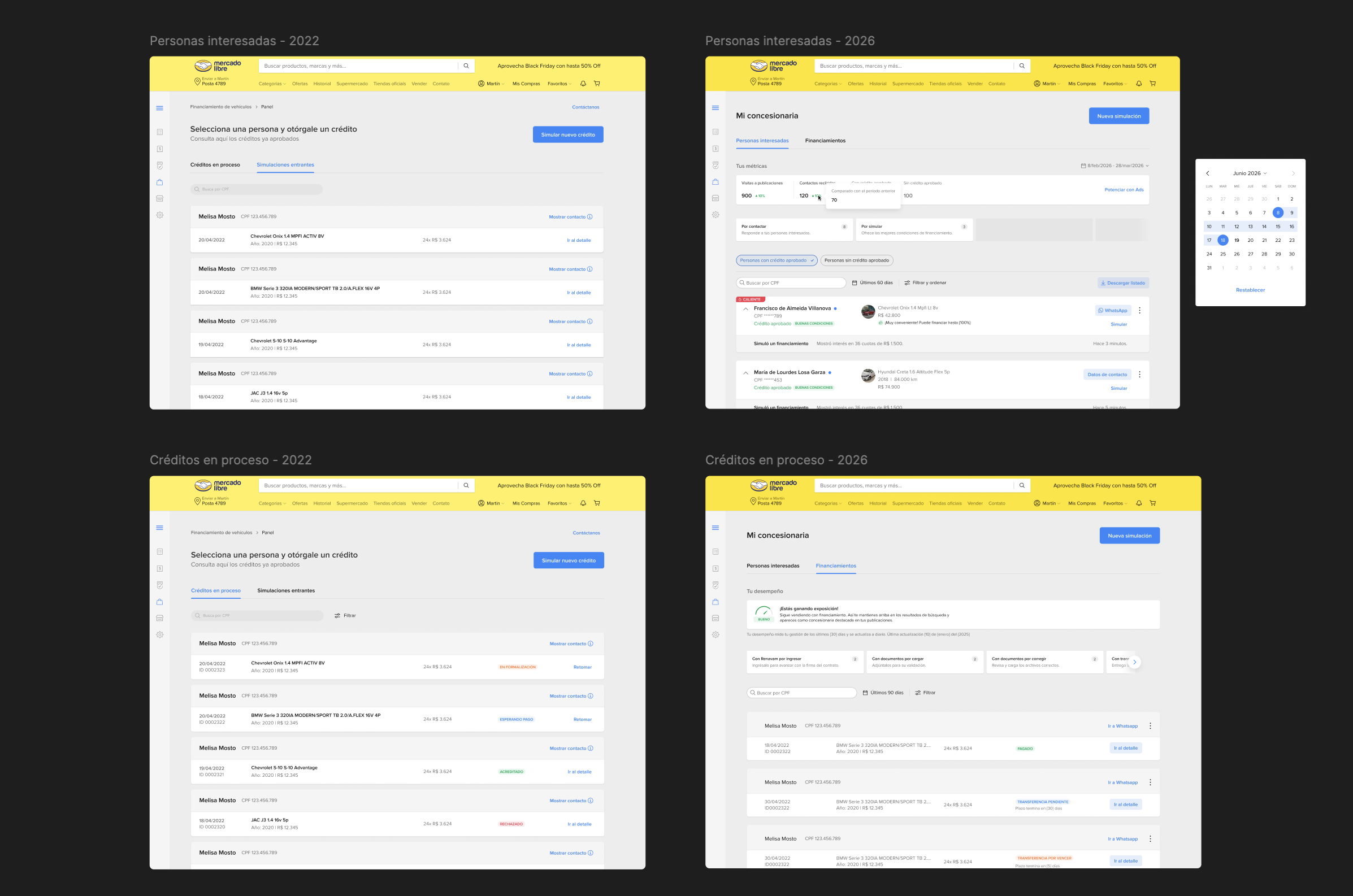
Better seller management
A richer leads panel and task filters to help dealerships prioritize interested buyers and resume pending proposals more efficiently.
A first mobile seller MVP
Extend the dealership experience beyond desktop, with a first mobile MVP for sellers.
Engagement and onboarding
Guide initiatives around loyalty, seller performance and onboarding for new users. The seller-engagement case explores score and loyalty in more depth.
Build the post-sale experience
Develop the part of the journey after the financed purchase, including vehicle ownership transfer and the use case for selling a vehicle with an outstanding lien.